
Mold Removal in Downtown Huntersville, NC
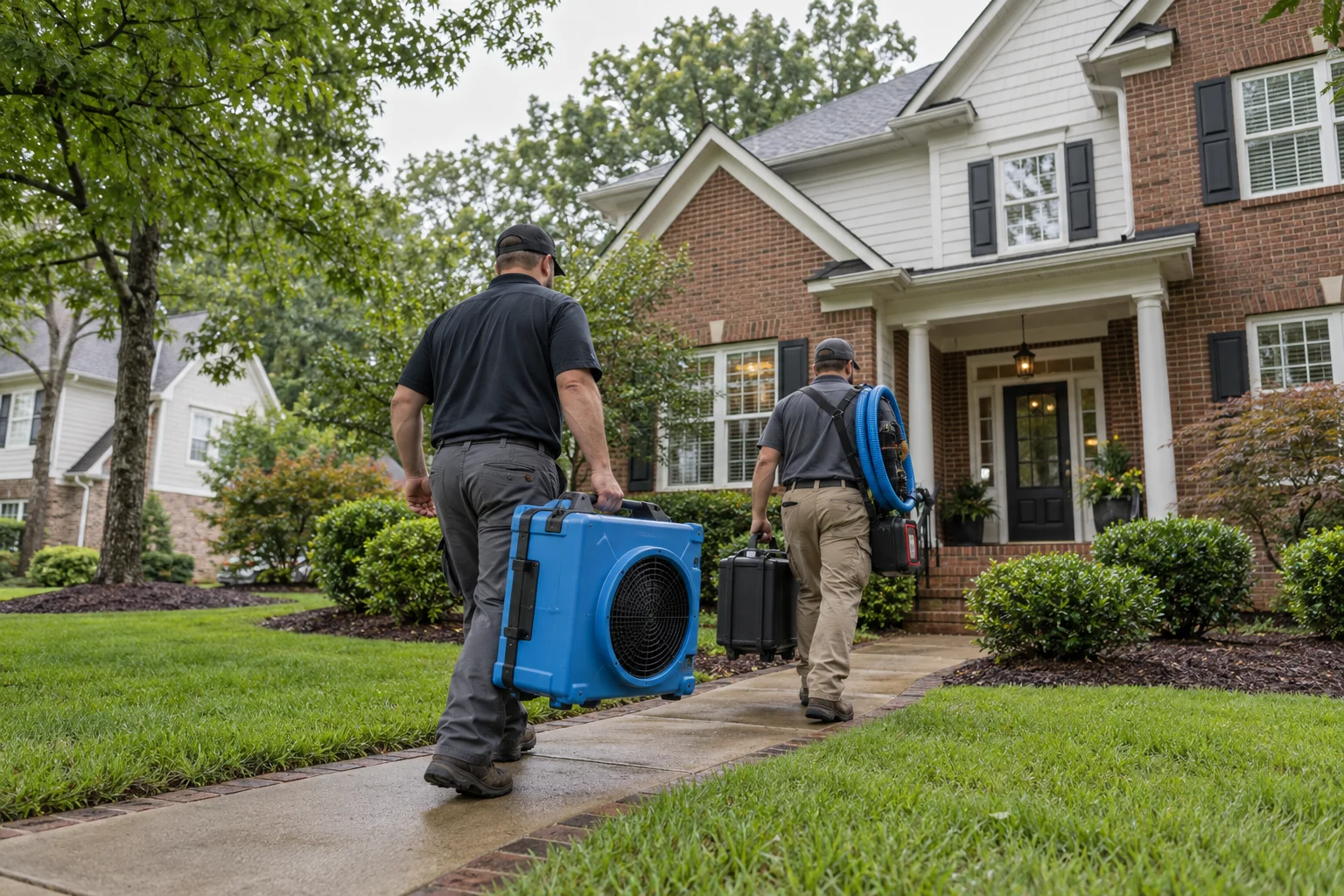
Downtown Huntersville is the city's historic core, where many houses date to the 1950s and 1960s and many others have been rebuilt, re-tiled and re-imagined over the top of them. That mix is why mold work here is part plumbing and part archaeology. Know where moisture starts in Old Town homes and what to check first.
Get a call back
Fill in the form or call (980) 250-4059. Calls are answered day and night.
§ 01 / 10
About Downtown Huntersville
Downtown Huntersville is the historic core of the city, centered on the galleries and shops along Huntersville Road and around the greenbelt, in the 28078 ZIP code. The housing runs the full spectrum: original ranch homes from the 1950s and 1960s, duplexes and small apartments, condos, and a wave of newer builds and renovations that replaced or reworked older houses lot by lot. Walk 2 minutes in any direction and the building ages change. The block changes block by block, and the advice on this page is built to work on all of them. That variety is the point of covering rentals, owners and renovations in one place. The renovation wave means many of those histories are hidden behind new finishes, which is exactly why the checks below start where they do.
§ 02 / 10
Why do Old Town homes get mold?
Because old plumbing and new finishes make a difficult pair. A house built in the 1960s has been settling and shifting for 60 years, and every renovation, a new kitchen, a new bathroom, new flooring, puts fresh stress on the lines underneath. A slow supply or drain leak then hides behind new tile, new cabinets or a new paint job, and the first sign is a smell or a warped baseboard, not a puddle. Rentals and units turn over, so small drips get reported late or not at all. Add summer storms against older roofs and window seals, and the pattern is clear: in Old Town, water rarely announces itself, and the discovery usually happens during a remodel or after a tenant moves out.
§ 03 / 10
Where does mold hide in an Old Town home?
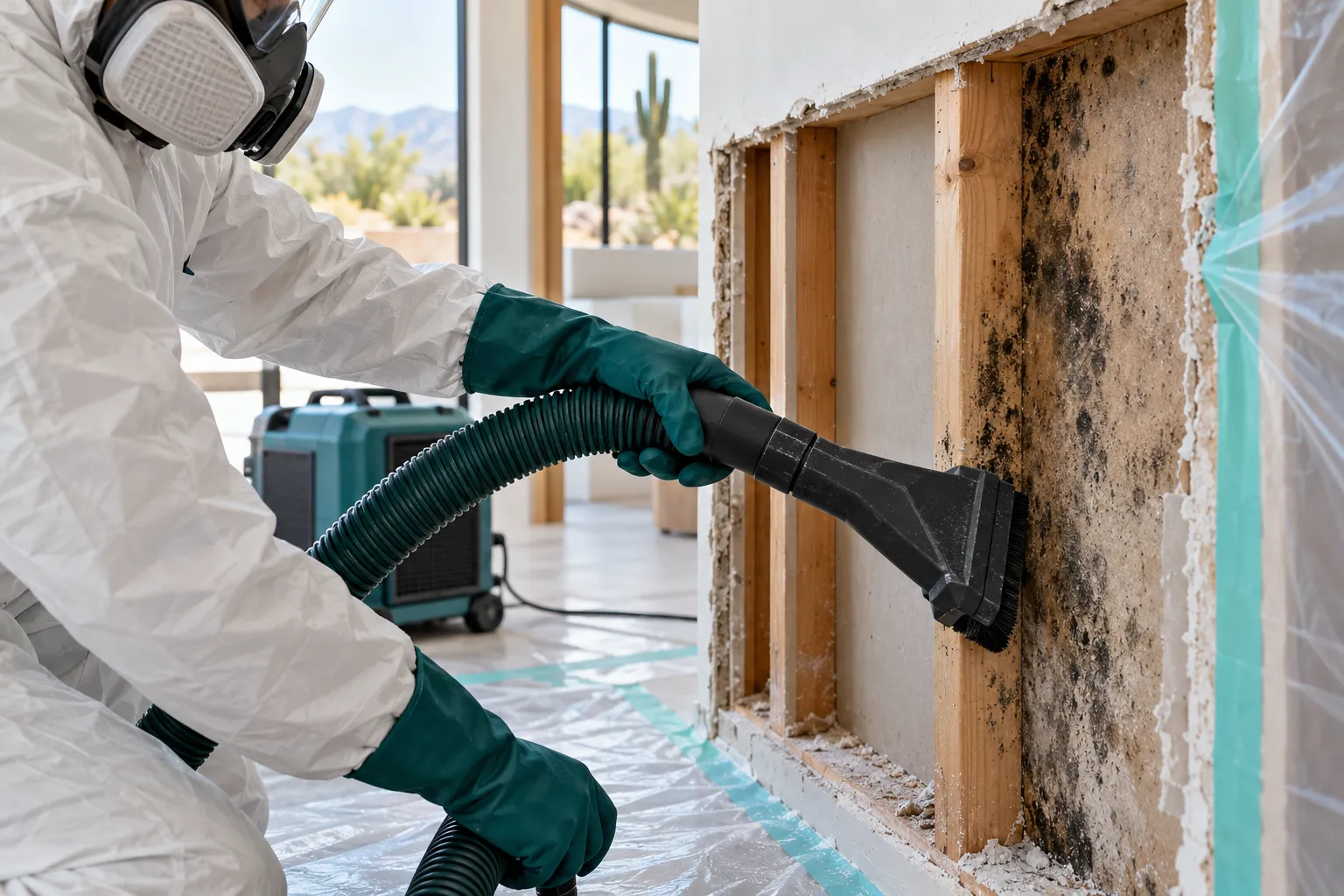
Under the oldest cabinets first: the kitchen sink base and the bathroom vanities, especially where a renovation kept the original plumbing. Then behind bathtubs and showers, where a 1960s drain can weep into the framing for years. Laundry closets and converted spaces come next, along with the walls where additions were joined to original structures, a classic leak path since two rooflines meet there. The greenbelt-adjacent blocks add irrigation and mature trees to the moisture map, and old drain lines under mature roots are their own long story. If a room was recently remodeled and now smells, treat the remodel as a clue, not a cure. The newest-looking room in an old house is often the one to meter first, because that is where old pipes meet new work.
§ 04 / 10
What should you do in the first 10 minutes?
If it is during a remodel, have the crew stop near the discovery and keep the area closed until it has been seen; cut edges and open walls spread dust quickly. Otherwise, the routine is the same as anywhere: stop the water source, stay clear of outlets and appliances anywhere near the water; photograph everything before it moves; and leave any growth untouched. Note the dates: when the room was last remodeled, when the smell started, and when the last storm was. In older homes those three dates are the fastest way to triangulate the source. Then call (980) 250-4059 and describe what you found and when. Photos of a half-open wall are gold later, for the insurer and for whoever finishes that remodel.
Line open now
Mold in a Downtown Huntersville home?
Describe what you see or smell. You do not need to diagnose anything yourself.
§ 05 / 10
We just finished a renovation. Can we still get mold?
Yes, and renovations are one of the most common starting points for it. New fixtures put new pressure on old connections, and a drip that starts right after plumbing work often gets blamed on construction dust until it becomes a smell. Tile and paint seal a surface, not a wall cavity, so water behind new finishes has nowhere to vent and stays put. The practical rule after any remodel: watch the water bill, check the baseboards around the new work monthly for the first year, and if a smell shows up, meter the area before anyone re-opens the tile. A 15 minute check beats a second renovation of the same bathroom, and it costs almost nothing while the tools are still on site.
§ 06 / 10
What about rentals and duplexes in Old Town?
The water rules do not change, but the discovery does. A tenant may report a smell late, or a small leak may sit through a vacancy, so the first walkthrough after any move-out should include the wet-use rooms with a nose and a meter, not just a cleaning crew. When a problem is found, keep the record clean: photos, dates, and who saw what, because a claim in a rental often involves more than one party. For duplexes and shared lots, the same advice as condos applies: find where the water actually started before assigning anything, and document both sides. Tenants change; the file does not, and it is what any future claim runs on, months or years later. The system is small by design.
§ 07 / 10
How does the work run around historic and older homes?
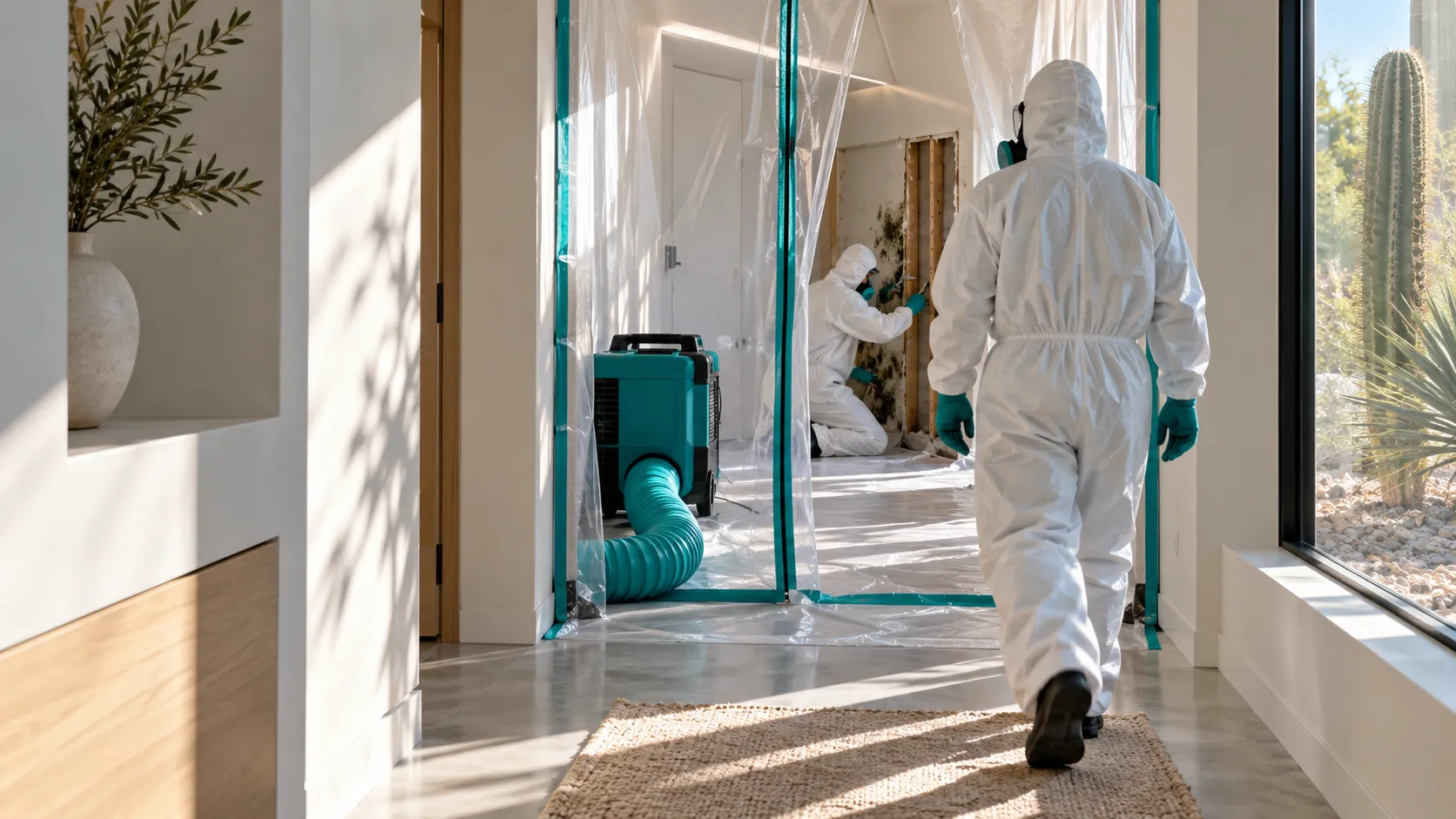
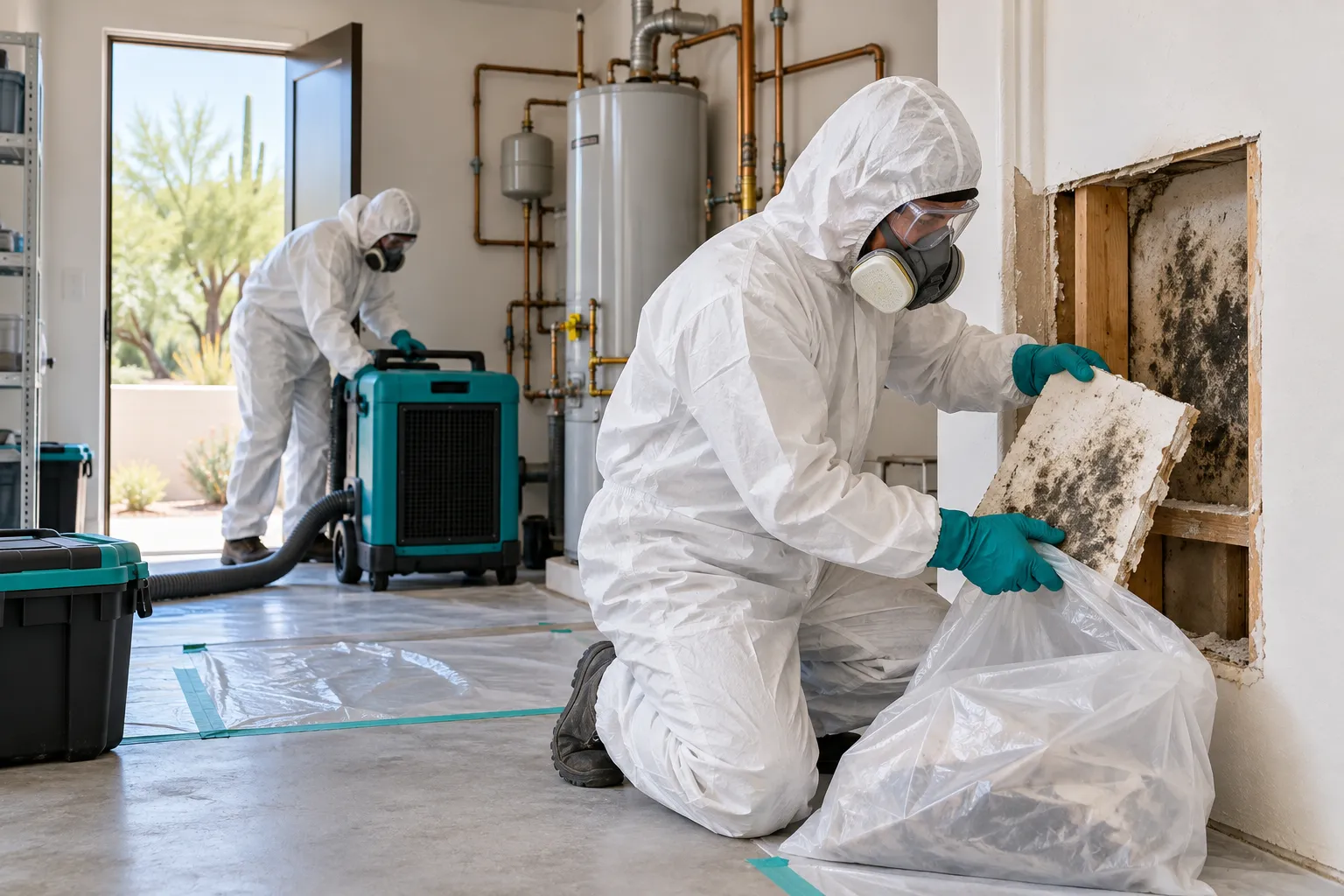
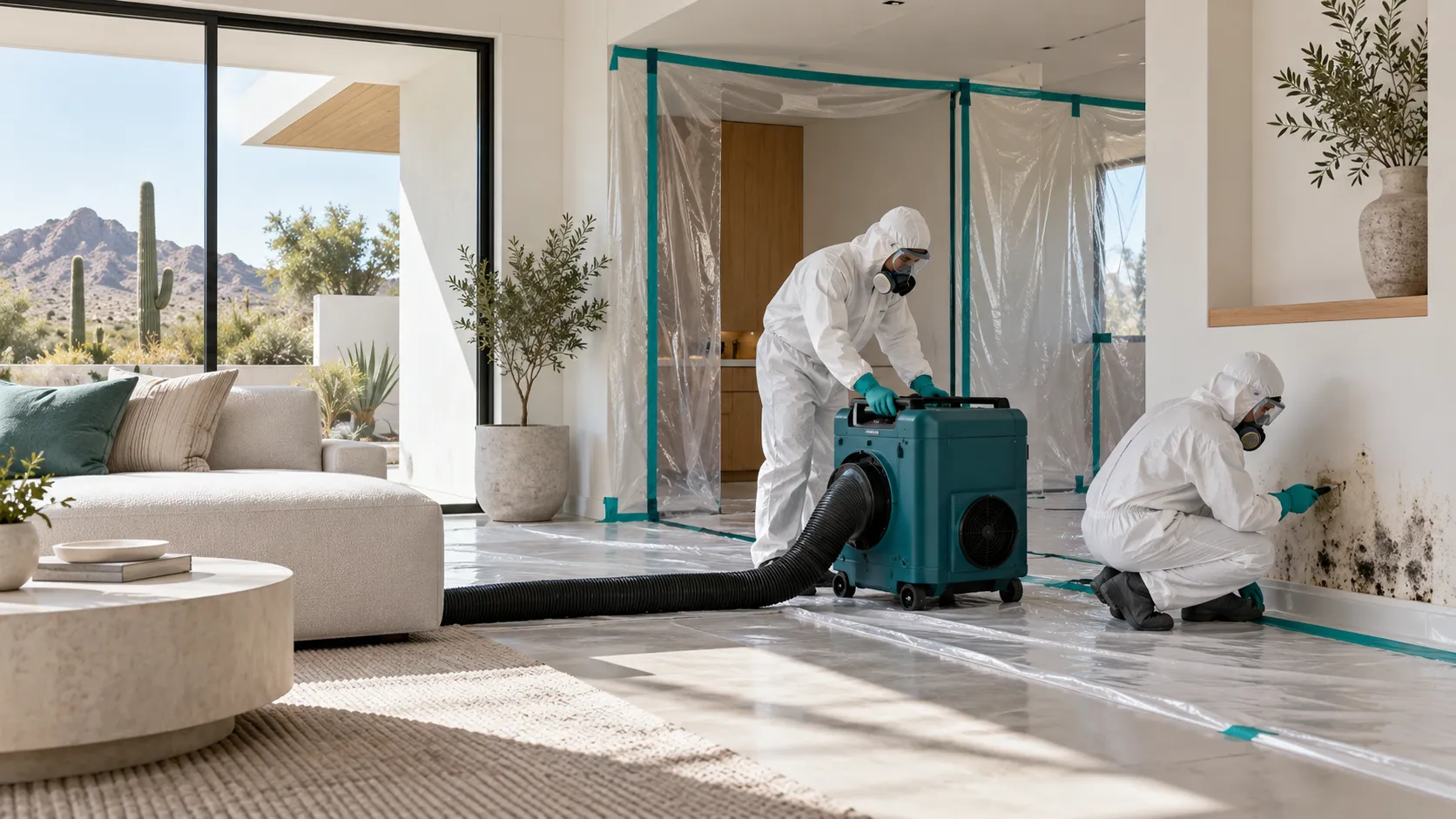
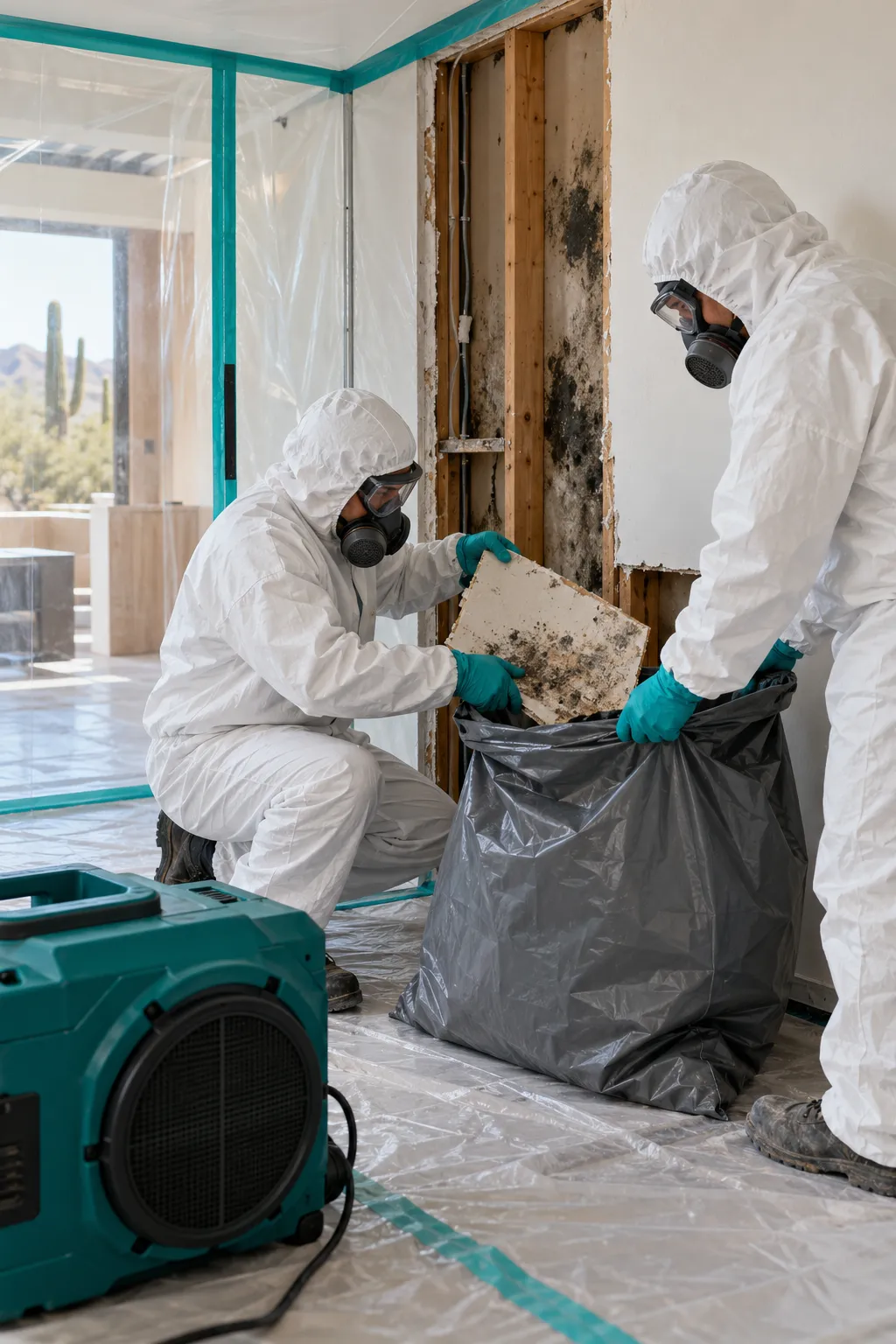
With more care and a slower start. Older homes get a gentler opening: finishes are inspected before anything is cut, and the crew plans around what the house can afford to lose. Sealed containment keeps the dust in the work zone. Contaminated material gets removed, the structure gets cleaned and then dried to its readings, and only then does anything get rebuilt. Where a renovation is in progress, the timing gets coordinated with the contractor so the mold work finishes before finishes go back on, which is the order that actually protects the remodel. The mold remediation page shows the sequence. If the house is on the market, say so; the schedule can usually work around showings and photography. The order holds on every job.
§ 08 / 10
Our mold services for Downtown Huntersville homes
Inspection and testing is the front door for older homes, because the source is rarely visible. Remediation and removal follows with confirmed growth, and the water damage side picks up leaks that are still running. Old Town is covered along with the rest of the city, and the service areas page lists it. If a remodel is involved, say so when you call, because the timing of the visit is planned around the construction, not the other way around. For rentals, one call can cover several units in one trip if they share a building or a block, which keeps the per-unit cost honest. Owners with several units often book one visit and let the report do the sorting; it lists what each unit needs in plain terms.
§ 09 / 103 questions
Questions people ask
01The house passed inspection when we bought it. Why does it smell now?
A home inspection is visual and honest, and it cannot see inside a wall. Older homes can carry a slow leak for months after closing, especially where renovations hid original plumbing. A moisture meter turns the smell into a location, and that is the point to act, not to litigate the inspection.
02Is a musty smell in an old home just part of the age?
No. Old houses have character, not a permanent smell. A musty odor means water is sitting somewhere, and in a house this age the list of suspects starts with the original plumbing and the old tub and shower pans. Leaving it is the one thing that turns a small find into a large project.
03How does the work run with tenants and property managers?
The work gets coordinated the way the property runs: the manager or owner gets the scope and the readings, and access gets scheduled with the tenant. The job is documented the same way either way, so everyone is working from one file.